From Le Mans to Your Driveway

How Audi's Racing History Shaped Every Car We Sell
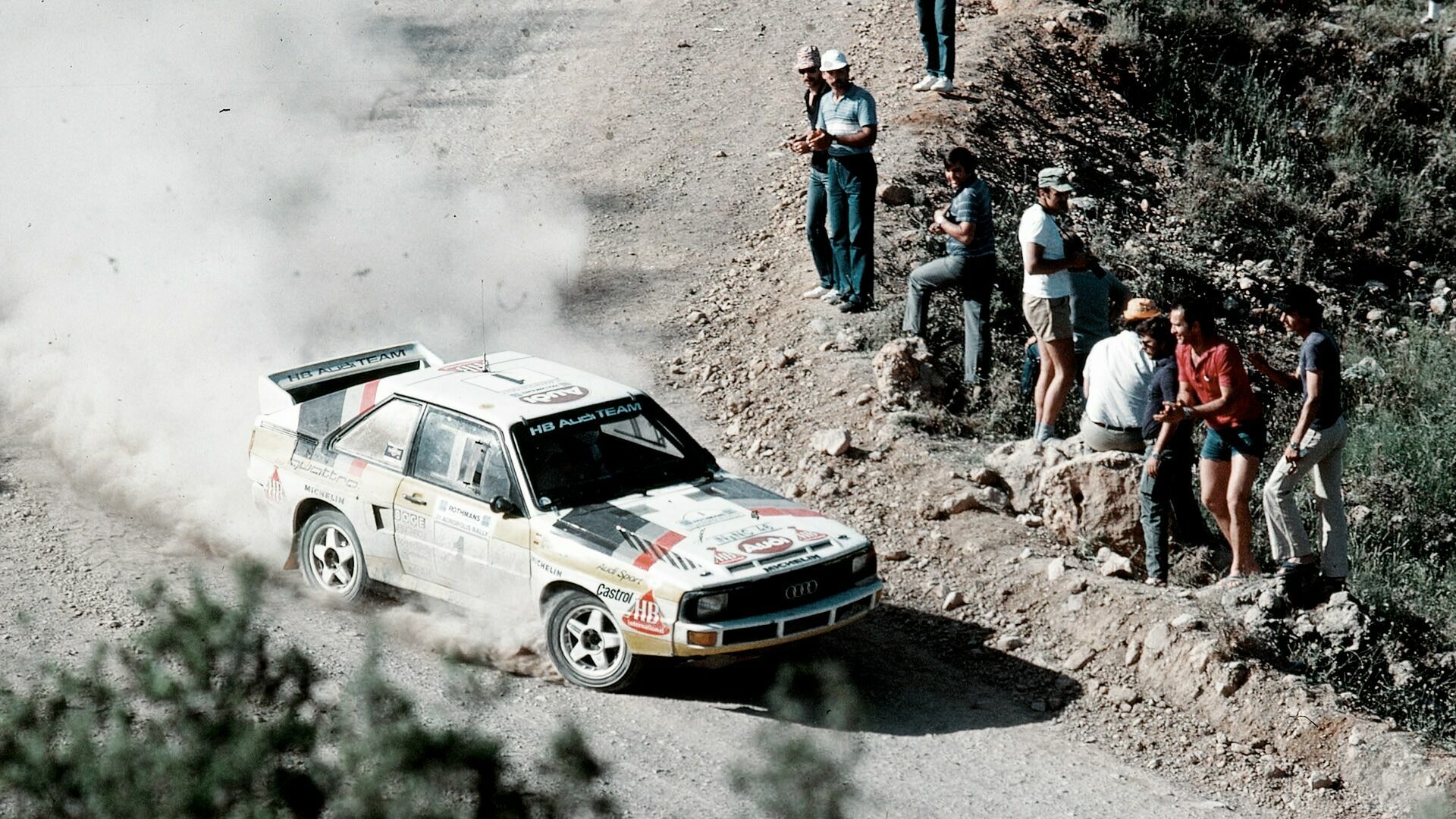
Picture an Audi quattro sideways on a gravel stage in Finland in 1983, rear wheels spinning, the turbo howling, and the car somehow finding grip that no two-wheel drive machine could match. That image is not nostalgia. It is the origin story of the AWD system underneath every Q5, A4, and RS7 currently sitting in our showroom at Audi Great Neck. Racing did not just build Audi's reputation. It built the cars.

Colin Joseph – 06/25/2026

Vorsprung durch Technik: What It Actually Means

Audi has used the phrase Vorsprung durch Technik since 1971. It translates from German as advancement through technology, though a closer reading is something like leading through technology or ahead by means of technology. It is the most honest tagline in the automotive industry, because Audi has consistently meant it literally rather than as a marketing abstraction.

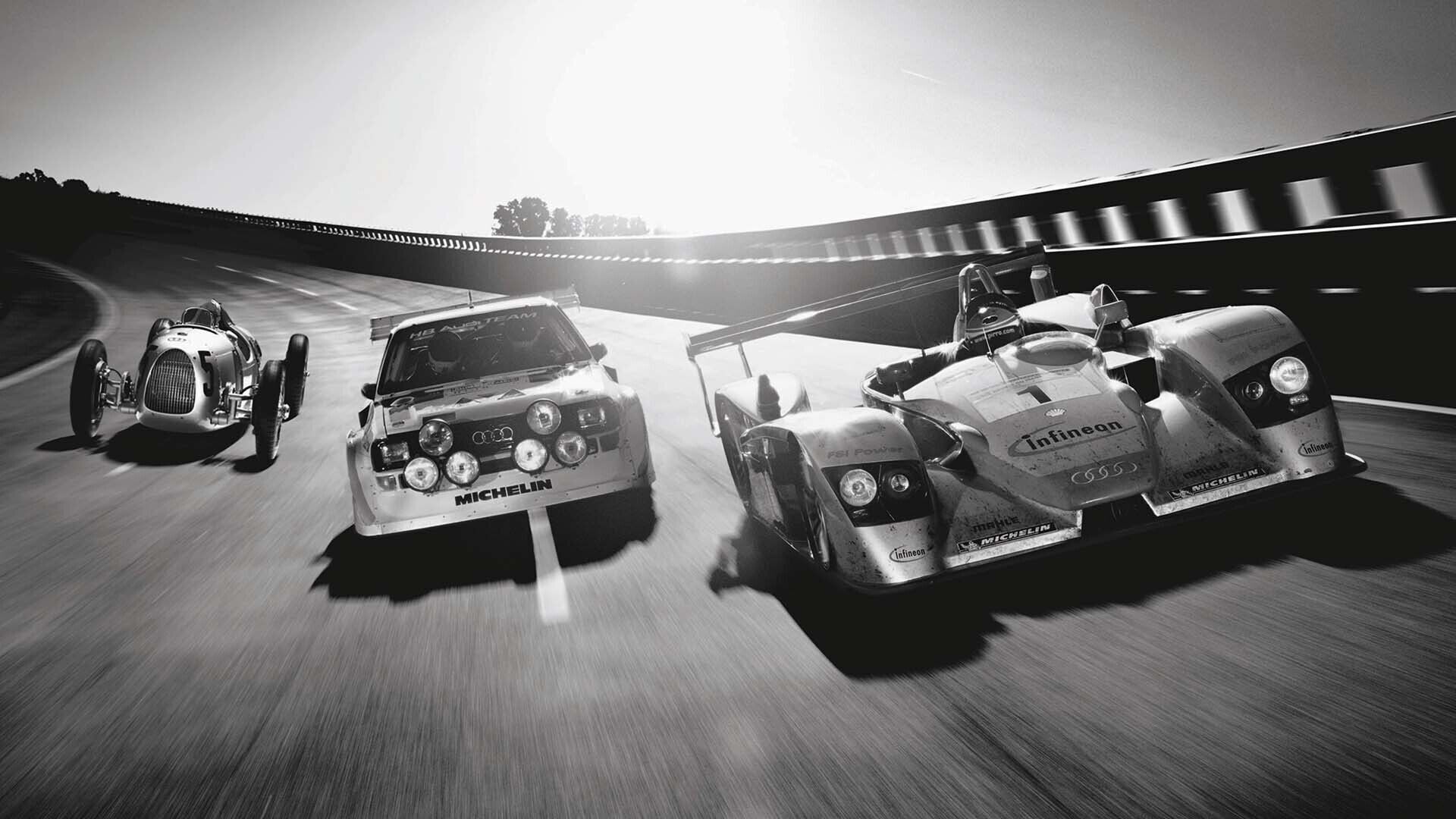
The thread running through every major chapter of Audi's motorsport history is the same: develop something on the racetrack, prove it under the most demanding conditions imaginable, then bring it to the road. The quattro AWD system. FSI direct fuel injection. TDI diesel efficiency. Hybrid powertrains. All of it started in competition and made its way into production cars. When you see Vorsprung durch Technik on an Audi advertisement, what you are actually looking at is a documented engineering pipeline from track to road that spans more than four decades.
The Four Rings: Where the Badge Comes From

The Four Rings

Where the Badge Comes From

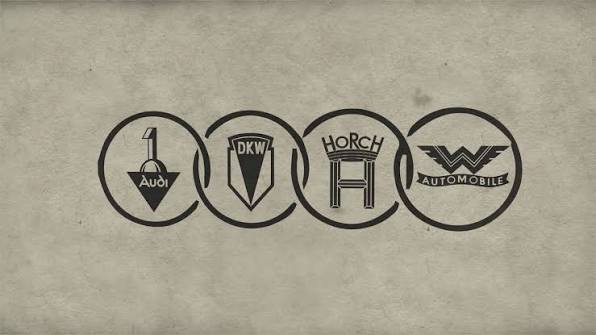
The four interlocking rings on every Audi represent the 1932 merger of four German automobile manufacturers: Audi, DKW, Horch, and Wanderer, which combined to form Auto Union. The company competed in Grand Prix racing throughout the 1930s as one of the dominant Silver Arrows teams alongside Mercedes-Benz, fielding cars with rear-mounted engines and mid-engine designs that were revolutionary for the era. These were the fastest cars in the world at the time, and they carried all four rings.

The Silver Arrows chapter is brief by design here, because what followed in the 1980s is where the modern Audi story truly begins. But knowing the badge dates to 1932 and to a racing legacy that predates most of the brands Audi competes against today gives it a different weight.

The quattro and the World Rally Championship

The quattro and the World Rally Championship

In January 1981, an Audi quattro lined up at the Jänner Rally in Austria. It was the car's competition debut. The quattro won. The engineers at Audi had built something the rallying world had never seen: a full-time all-wheel drive system in a production-based competition car. Every other team on the stage was rear-wheel or front-wheel drive. The quattro had power going to all four wheels simultaneously, which meant it could put its turbocharged output down on loose gravel, snow, and mud in a way that its competitors simply could not match.

The world took notice immediately. Within the same season, Michèle Mouton became the first woman in history to win a World Rally Championship round, doing it in a quattro at the San Remo Rally. The car was not just winning. It was rewriting what was possible.

Between 1982 and 1984, Audi won two manufacturers' world championships and two drivers' world championships. Hannu Mikkola took the drivers' title in 1983, Stig Blomqvist in 1984. The quattro accumulated 23 WRC victories across the Group B era. Other manufacturers scrambled to develop their own AWD systems. The quattro had changed the rules of the sport, and the sport would never look the same again.

The direct line from those gravel stages to your driveway is unambiguous. Audi's own account of the quattro's development is straightforward: the dominant victories and titles in the World Rally Championship between 1982 and 1984 were an important factor in the market success of the quattro drivetrain. The AWD in a current Q5 or A4 allroad traces directly to those rally stages in Finland and Portugal forty years ago.
Diesel and Hybrid Technology Born at Racing Speed

Diesel and Hybrid Technology Born at Racing Speed

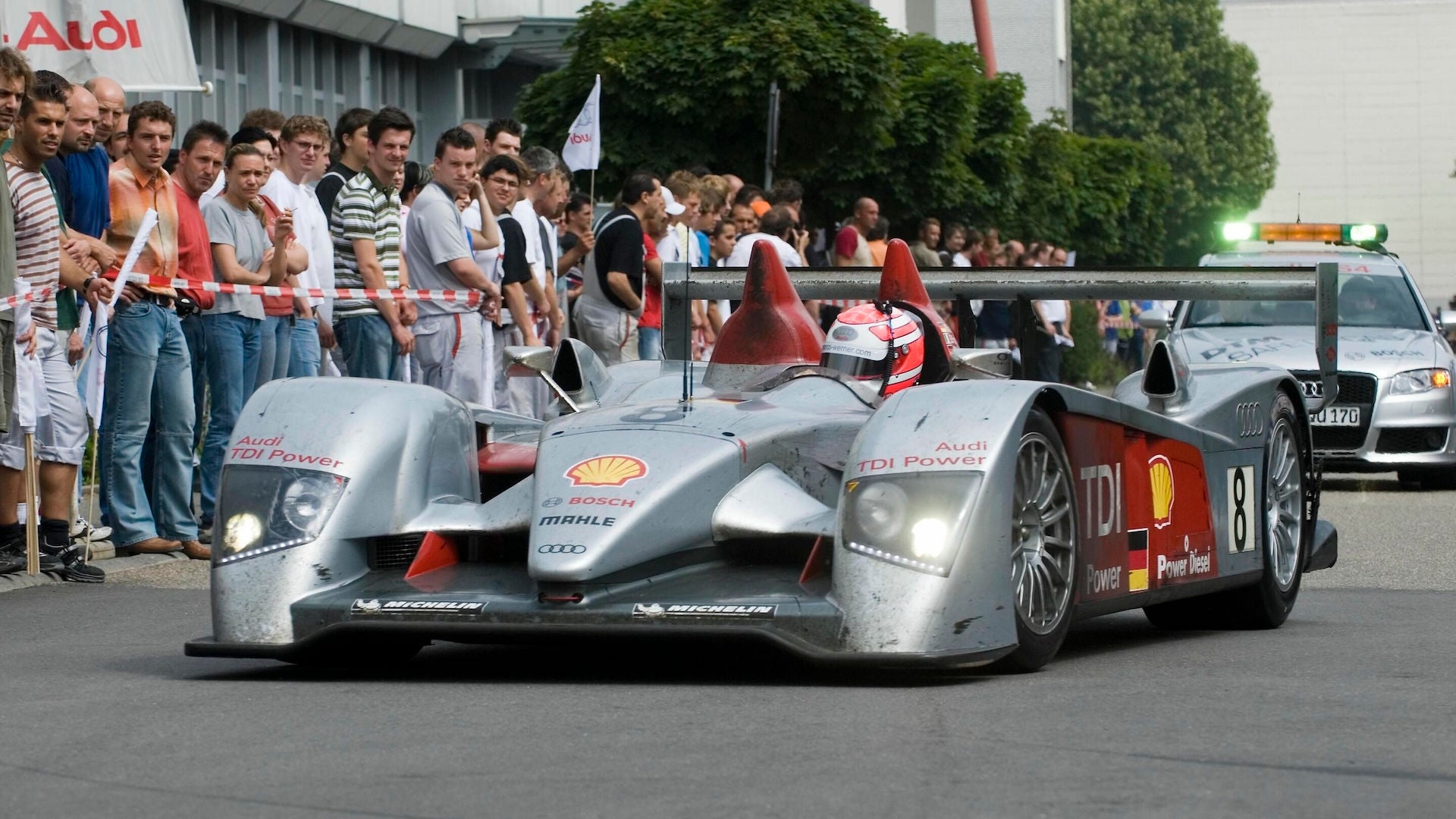
In 2006, Audi did something no manufacturer had done before. They entered Le Mans with a diesel-powered prototype, the R10 TDI, and won. A turbodiesel engine producing around 650 horsepower, beating petrol competitors in endurance conditions at the world's most famous race. The motorsport community was skeptical beforehand. Audi won outright. TDI diesel technology went on to win at Le Mans eight times in total.

The TDI engines in Audi's road car lineup, known for combining strong low-end torque with genuine fuel efficiency, are the production version of the technology Audi proved could win 24-hour endurance races against petrol competition. When someone looks at an Audi TDI and assumes diesel means slow or unrefined, they are looking at the legacy of a Le Mans winning powertrain.

The R18 e-tron quattro and the Road to Electrification

The R18 e-tron quattro and the Road to Electrification

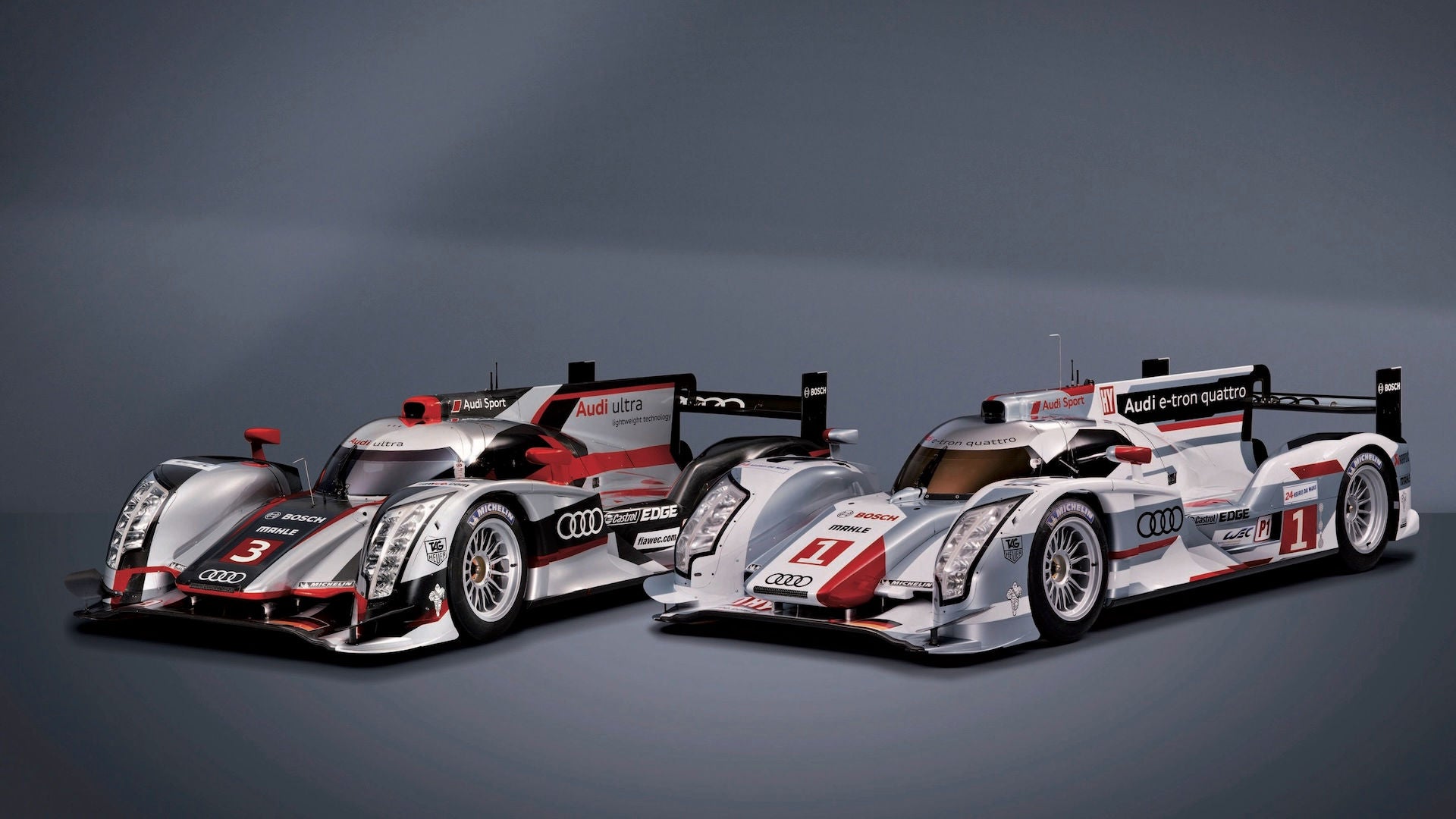
In 2012, Audi won Le Mans with a hybrid. The R18 e-tron quattro used a V6 TDI engine powering the rear wheels alongside an electric motor system on the front axle that recovered energy under braking and delivered additional drive when needed. It was the first hybrid prototype to win the 24 Hours of Le Mans. Audi won again in 2013 with an improved version, and again in 2014 under stricter energy consumption regulations. Three consecutive Le Mans victories with hybrid technology.

The plug-in hybrid models in Audi's road car range use a combination of petrol engine and electric motor in parallel, following the same basic architecture that the R18 e-tron quattro pioneered at Le Mans. The e-tron quattro name itself is a deliberate reference to that racing lineage. Audi did not start exploring electrification when the market demanded it. They were winning Le Mans with hybrid technology in 2012.

Formula 1: The Next Chapter

Formula 1: The Next Chapter

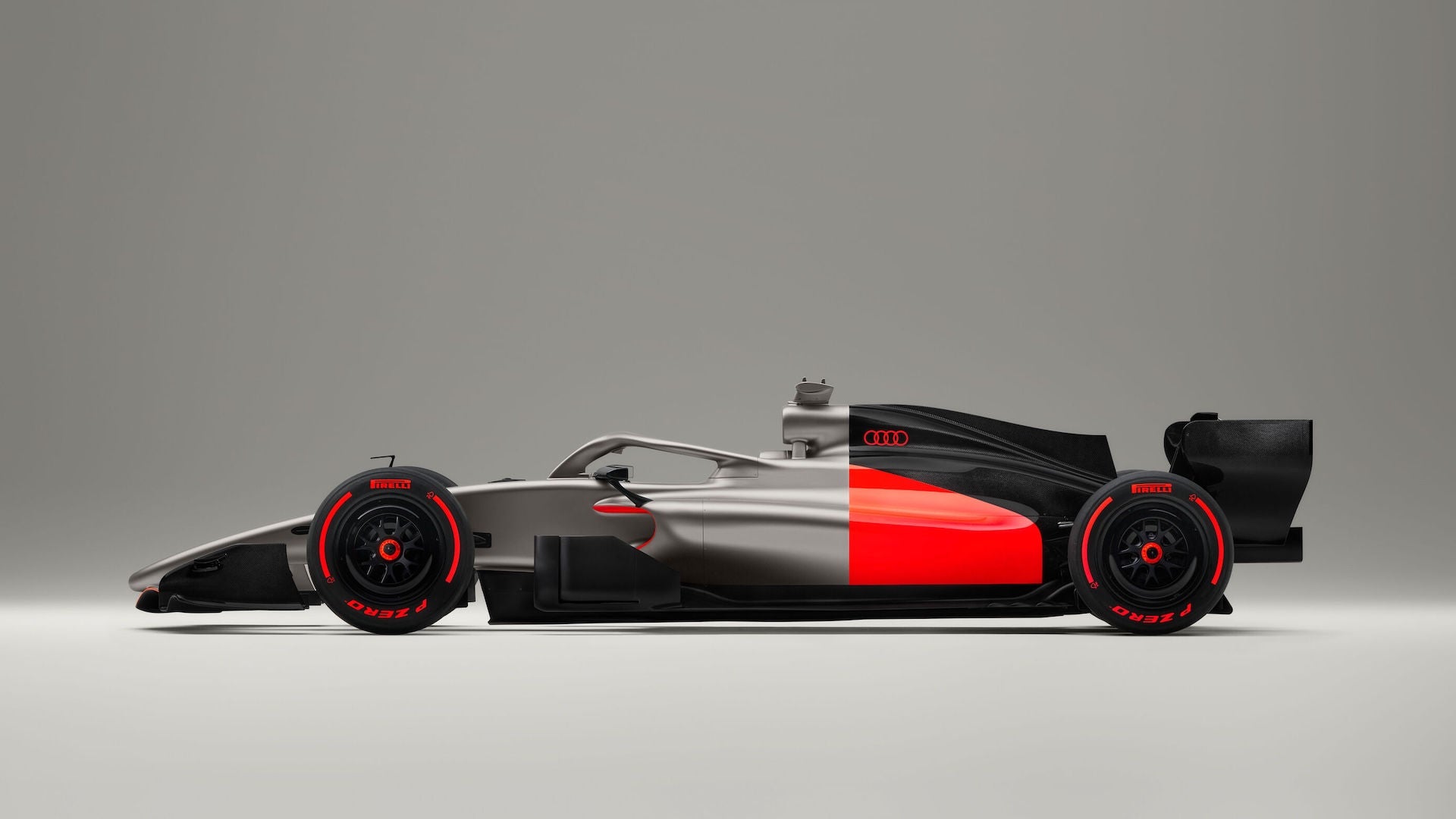
Starting in 2026, Audi is competing in Formula 1 for the first time as a full factory entry. The Audi Revolut F1 Team's entry into the championship is the natural continuation of the Vorsprung durch Technik philosophy into the most technologically demanding racing series in the world. Formula 1's current regulations place enormous emphasis on hybrid power unit efficiency, which aligns precisely with the engineering direction Audi has been pursuing since the R18 e-tron quattro era at Le Mans.

What this means for future road cars is already predictable based on historical pattern. Every major Audi racing program has transferred technology back to production vehicles. Formula 1 development will do the same.

What All of This Means When You Buy an Audi

The quattro AWD system in the Q5 you test drive at Audi Great Neck exists because Audi engineers proved it was faster and more capable than anything else on loose surfaces in 1981, then spent four years proving it again on the world's most demanding rally stages. The TFSI engine under the hood came from a Le Mans development program that ran from 2001 onward under 24 hours of sustained racing conditions. The TDI, if you choose a diesel, won Le Mans eight times before it made it into a production sedan.

The RS models, the RS5, RS6, RS7, carry the RS designation because of Audi Sport's racing program. RS stands for RennSport, which is German for motorsport. These are not marketing upgrades. They are the performance division that has been building and campaigning race cars for over four decades.

Choosing an Audi at Great Neck means choosing a brand where the engineering in the vehicle you drive home traces back to specific racing programs on specific circuits. Vorsprung durch Technik is a documented pipeline from track to road. The car in our showroom is the latest product of it.

VIEW NEW AUDI INVENTORY | VIEW CURRENT SPECIALS | CONTACT AUDI GREAT NECK

FAQ: Audi Racing History

Contact Us: 516-262-3364

Service: 516-262-3387

Parts: 516-262-5913

Loading..