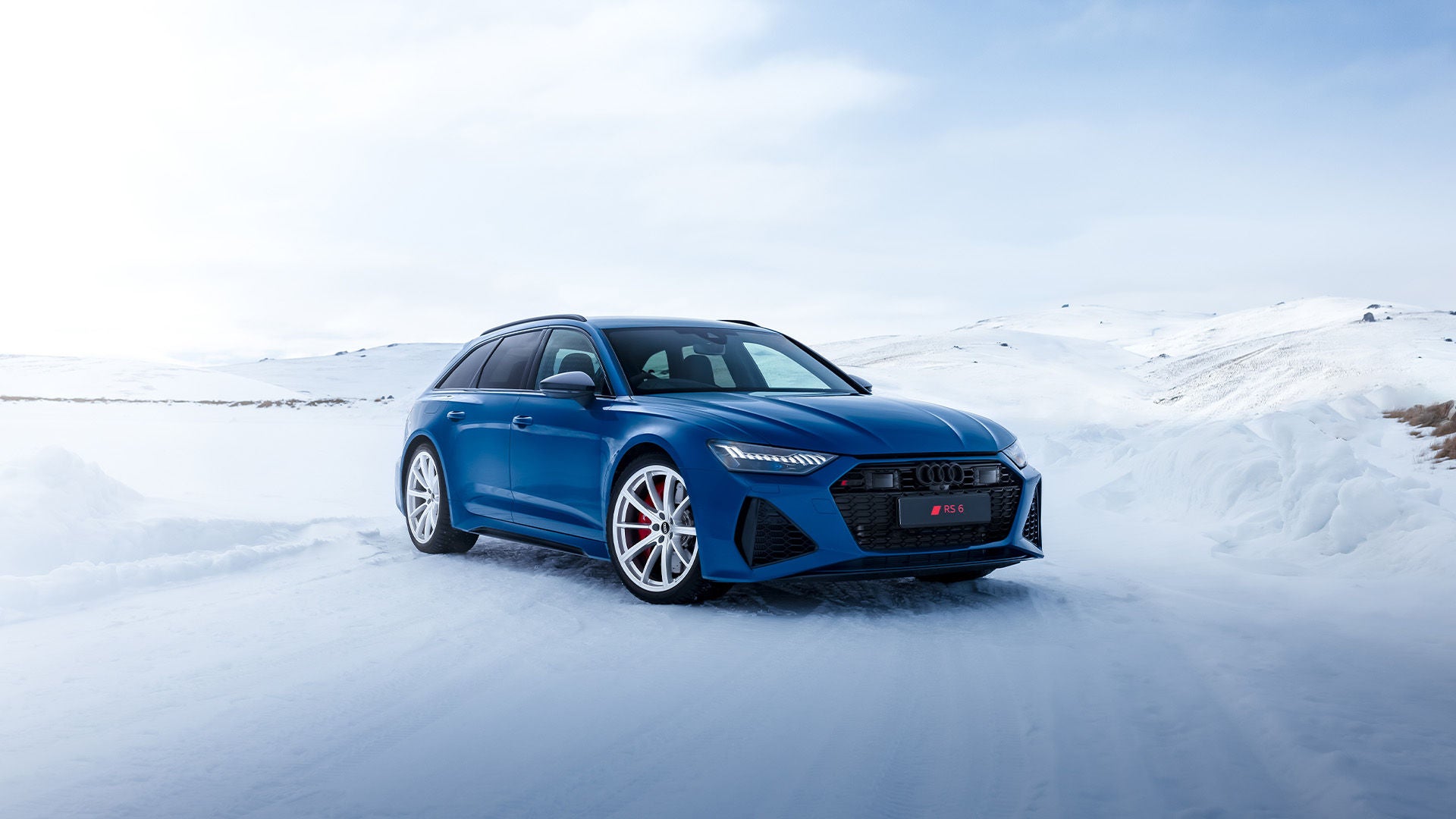
Winter driving in Nassau County can change quickly. Your morning commute may start on wet pavement, then turn into icy roads by the time you head home. Many Audi drivers rely on Audi quattro all-wheel drive for confidence in bad weather, but there’s one important truth that gets overlooked:
AWD helps you go, but it doesn’t help you stop.
That’s why tire choice matters so much. Whether you drive an Audi Q5 or commute daily in an Audi Q7, understanding how tires work with AWD is key to safer winter driving and better control on snow and ice.
This guide breaks down the difference between traction and grip, why winter tires outperform all-seasons, and what makes Long Island winter roads especially risky.
Why AWD Audi quattro Is Not the Same as Winter Tire Grip
Audi quattro snow performance is impressive, especially when roads get slippery. Quattro works by distributing power to the wheels that can use it best, which improves traction when accelerating.
But quattro still depends on one thing:
Your tires must have enough grip to work with.
If your tires can’t hold the road, quattro can’t magically create traction out of thin air. Even with AWD, your stopping distance and cornering ability are still limited by the tire compound and tread design.
Traction vs. Grip: The Difference That Matters in Winter
A lot of drivers use “traction” and “grip” like they mean the same thing, but they don’t.
Traction Helps You Move Forward
Traction is your ability to accelerate without spinning. This is where AWD shines, especially in snow.
Grip Helps You Stop and Turn
Grip is what keeps your tires planted when you:
Brake suddenly
Turn through a slippery intersection
Drive over slush or black ice
This is why an AWD vehicle on the wrong tires can still slide, even if it accelerates confidently.
Why Audi Winter Tires Outperform All-Seasons
If you’re debating Audi winter tires vs. all-season tires, the biggest difference comes down to how the tire is built for cold weather.
Winter tires are designed to perform when temperatures drop, even if the roads are dry.
Winter Tire Rubber Stays Flexible in the Cold
Winter tire rubber compounds stay softer in freezing temperatures. That flexibility helps the tire maintain grip on cold pavement.
All-season tires can stiffen as temperatures drop, which reduces grip and increases the chance of sliding.
Winter Tread Design Improves Control
Winter tires also include deeper tread grooves and more biting edges designed to grab snow and slush. This improves stability during:
Braking
Cornering
Quick lane changes
Winter Tires Can Shorten Stopping Distance
One of the biggest safety benefits is braking performance. Compared to all-seasons, winter tires can dramatically reduce stopping distance on snowy pavement.
That difference can be the difference between:
stopping safely at a light
sliding into an intersection
If you’re serious about winter safety, winter tires are one of the best upgrades you can make, even with Audi quattro.
Are All-Weather Tires Good Enough for Winter?
All-weather tires are a popular option for drivers who want a year-round setup without seasonal tire swaps.
Unlike most all-seasons, many all-weather tires carry the 3-Peak Mountain Snowflake rating, meaning they meet a higher standard for winter performance.
When All-Weather Tires Make Sense
All-weather tires can be a strong choice if:
you drive mostly on plowed roads
you want one tire year-round
you prefer convenience over maximum winter grip
When Winter Tires Are Still the Best Option
Dedicated winter tires are still the best choice if:
you drive early mornings before roads are treated
you commute daily in changing conditions
you want maximum stopping control on ice and snow
For drivers focused on safety and performance, winter tires still win.
Long Island Winters and the Risk of Black Ice
One of the biggest dangers on Long Island isn’t always deep snow. It’s the conditions that sneak up on you.
Along the North Shore, temperatures can swing quickly. Wet roads during the day can freeze overnight, creating black ice, which is thin, nearly invisible, and extremely slippery.
Why Black Ice Is So Dangerous
Black ice often forms when:
temperatures drop after sunset
roads stay damp from rain or melting snow
shaded areas freeze first
And because it’s hard to see, many drivers don’t react until it’s too late.
Quattro Helps You Move, Not Stop
Even with Audi quattro snow capability, black ice still affects braking and cornering. Winter tires give you better grip when the road suddenly loses traction.
Best Winter Tire Setup for Audi Q5 and Audi Q7 Winter Driving
If you drive an SUV like the Q7, it’s easy to assume the weight and AWD system will handle everything. But winter safety still comes down to tires.
Audi Q5 Winter Driving Tips
The Q5 is balanced and confident in winter conditions, but it performs best when paired with tires designed for cold temperatures.
Audi Q7 Winter Driving Tips
The Q7’s size can increase momentum on slick roads, meaning stopping distance matters even more. Winter tires help reduce sliding risk and improve stability during braking.
No matter which Audi you drive, tires are what connect your vehicle to the road.
Audi Maintenance in Winter: Why Tire Choice Protects Your Vehicle
Choosing the right tires isn’t just about safety. It can also support your overall Audi maintenance winter plan.
Better winter grip can help reduce:
wheel spin stress
sliding impacts with curbs
uneven tire wear from cold-weather slipping
braking system strain in slippery conditions
Winter tires can also help you feel more confident behind the wheel, especially during unpredictable storms or freezing mornings.
Where to Get the Right Tires for Your Audi
The best way to choose the right tires is to match them to:
your Audi model
your daily commute
typical winter road conditions
your comfort level in snow and ice
For tire options built specifically for your vehicle, visit the Audi Tire Center and explore tires designed for your model’s performance needs.
The Takeaway: Is AWD Enough Without Winter Tires?
Audi quattro is a standout feature, and it absolutely helps in snow. But AWD alone can’t overcome the limits of tire grip, especially when it comes to braking and turning.
If you want the safest winter setup:
Winter tires give you the best grip and shortest stopping distances
All-weather tires offer a strong year-round compromise
All-season tires may be fine in mild winters, but they fall short in true cold-weather conditions
For Long Island drivers facing icy mornings and black ice risks, upgrading your tires is one of the smartest safety decisions you can make.